Fleet management is a task that demands a great deal of attention. Managing drivers who travel the roads every day, facing numerous challenges along the way, requires the assistance of advanced technologies capable of automatically monitoring all drivers equally.
Read more: What is the ideal technology for managing your light fleet?
To prevent the reckless use of vehicles outside of business hours, focusing on safety and responsibility, the Golfleet system offers a scheduled locking feature.
Read more: Technology and fleet management: why do they go hand in hand?
Want to know more about this feature? We'll explain it to you.
What is scheduled blocking for fleets?
How does the Golfleet system scheduled lock work?
Why use automatic blocking in fleet management
What are the differences between Golfleet's scheduled blocking?
Tips for getting the most out of scheduled blocking
More safety, control and efficiency for your fleet

What is scheduled blocking for fleets?
Scheduled fleet immobilization involves automatically immobilizing vehicles at a time specified by the company or fleet manager. This means that, during that period, the vehicle will be unavailable for use.
Whether through ignition blocking or fuel pump blocking the engine supply , in either case the vehicle becomes unusable, forcing the fleet driver to stop and rest during that period.
Read more: The importance of a good night's sleep for a driver's health
This functionality is achieved through a scheduled blocking process, managed by the fleet management and configured within the Golfleet system . Based on this configuration, the Golfleet system automatically performs the blocking, eliminating the need for human intervention.
How does the Golfleet system scheduled lock work?
Unlike remote-controlled blocking, which is done in cases of theft/robbery, Golfleet 's scheduled blocking allows you to automatically program periods when a fleet vehicle should remain blocked. For example, during the early morning hours or at times when use is not authorized, such as weekends and holidays. This feature ensures that the vehicle can only be started within the pre-established time in the system.
The process is simple: within the platform, the manager can schedule vehicle blocking based on specific days of the week and times. After scheduling, the system automatically blocks the selected vehicles without the need for manual action. This eliminates operational errors, improves fleet control, and prevents misuse outside of business hours.
This automation is especially useful in companies that work with fixed shifts, monitor vehicle movement or have strict security policies. With the vehicle blocker for fleets integrated into the Golfleet system, the technology works in favor of risk management, contributing to more effective control.
Read more: Reduce risky driving behavior in your fleet management with the help of technology.
Why use automatic blocking in fleet management
Vehicle immobilizers for fleets are essential for maintaining the security and control of fleet vehicles, bringing peace of mind to management when vehicles are being used solely for professional purposes.
This tool protects the company by preventing drivers from committing irregularities and driving recklessly at late hours. Furthermore, it protects against potential lawsuits from employees, as it prevents them from driving on roads at prohibited or unsafe times.
Read more: Risks of criminal liability: paying attention to the legal issues involved in fleet management.
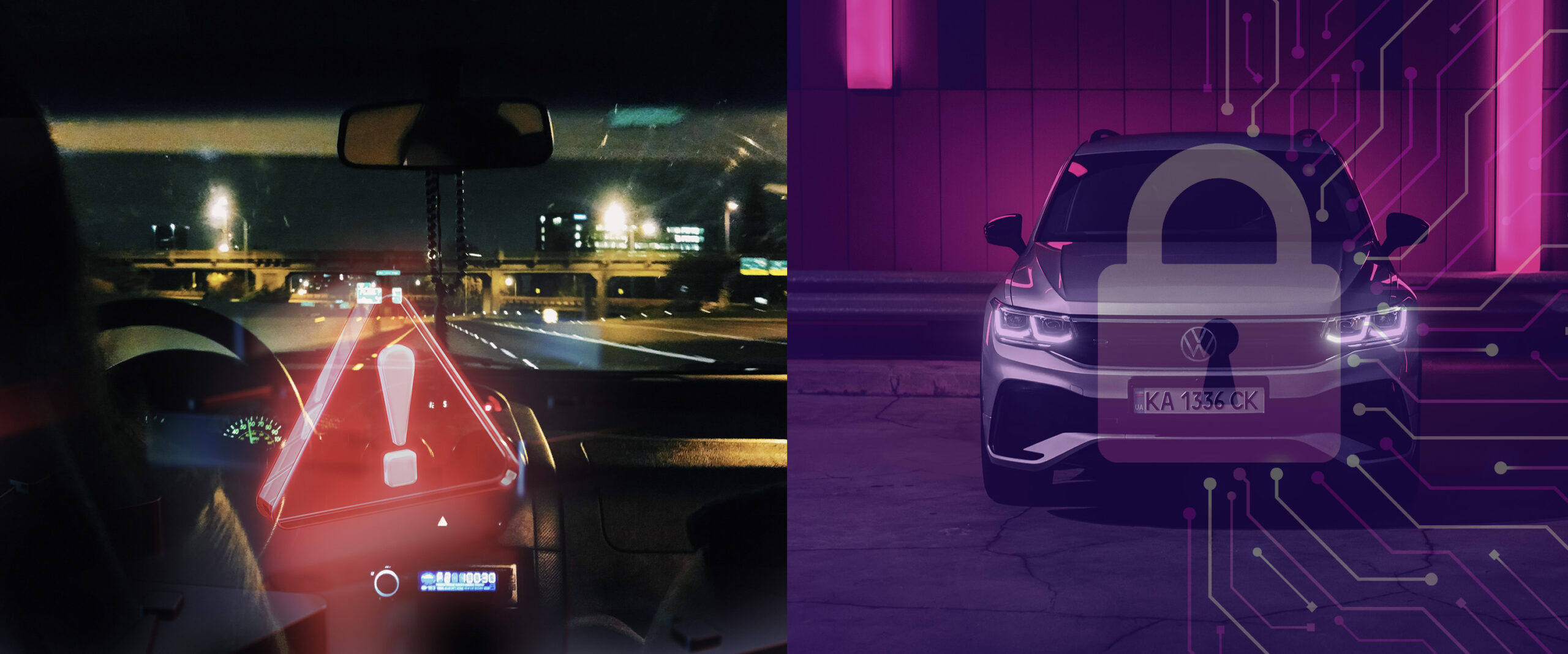
In addition to security for the company, scheduled fleet blocking also provides safety for the drivers themselves . We know the risks and dangers that roads present at night, such as:
Given these factors, automatic vehicle immobilization acts as an ally in fleet risk management , promoting not only cost savings and operational control, but also legal and physical security for all involved.
By scheduling vehicle immobilization outside of operating hours, the company demonstrates responsibility for the safety of its employees and reinforces an organizational culture based on safety, prevention, and compliance with labor laws.
What are the differences between Golfleet's scheduled blocking?
Golfleet's scheduled blocking stands out in the market for offering simple yet extremely powerful functionality for companies seeking security, control and automation in fleet management.
More than just a vehicle immobilizer for fleets, this is a smart solution, fully integrated with the Golfleet system , that allows you to schedule vehicle immobilization with just a few clicks , without depending on real-time intervention.
One of the key differentiators is the customization by vehicle or group of vehicles, which ensures greater operational flexibility. It is possible to configure different schedules according to the routine of each team, region, or type of operation, adapting the functionality to the company's reality.
Furthermore, the solution offers a clear and centralized view of scheduled vehicle immobilizations, facilitating auditing, monitoring, and adjustment of settings whenever necessary. The entire automatic vehicle immobilization logic is built to reduce risks and optimize operation without technical complications.
Another strong point of the Golfleet system is its reliability. As a consolidated platform specializing in fleet management, Golfleet guarantees stability, quality technical support, and constant updates to improve the manager's experience.
Read more: All about telemetry: what it is, how it works, and what are the benefits for fleet management.
Thus, Golfleet 's scheduled vehicle blocking ceases to be merely a feature and becomes a strategic tool that strengthens operational governance and significantly reduces the risks associated with the misuse of vehicles.
Tips for getting the most out of scheduled blocking
To get the most out of Golfleet scheduled blocking, it is important to align the functionality with your company’s internal policies and the specifics of your operation. Here are some best practices:
- Map critical operating times: identify periods when there is no need for vehicles to circulate, such as early mornings, weekends or between shifts. These are ideal times to apply automatic vehicle blocking.
- Create clear rules with the driver team: Communicate scheduled blocking times and explain the reasons behind the measure. This transparency helps maintain engagement and avoids conflict.
- Use usage reports for fine-tuning: analyze the data provided by the Golfleet system to understand if there are attempts to use it outside of business hours or if the blocks are positively impacting the operation.
Read more: Data-driven fleet management: what it is and how to implement it flawlessly
- Segment blocking by vehicle groups: not all fleets have the same profile. Use the tool's flexibility to configure different rules by sector, type of cargo or region of operation.
- Integrate lockout with other fleet security practices: Combine this functionality with behavior alerts, virtual fences and other data from telemetry for more robust and preventive fleet management.
Following these recommendations, scheduled fleet blocking becomes an additional layer of intelligence and security for the company.

More safety, control and efficiency for your fleet
Golfleet's scheduled vehicle immobilization system is more than just a security tool: it's a strategic solution for companies that value operational control, the safety of their drivers, and asset protection. By scheduling vehicle immobilization, your company reduces risks, prevents misuse, and reinforces a culture of responsibility and efficiency.
With this feature, you transform your fleet management into a safe and predictable operation , aligned with best market practices. And best of all: with the reliability of a platform that understands the real needs of the sector.
Read more: Fleet safety culture: learn how to implement it and get started now.
If you're looking for a practical and effective way to protect your fleet and elevate your management, Golfleet's scheduled blocking is the right choice.
Want to understand how to apply this feature to your business? Talk to one of our specialists and see how we can help you go further safely.