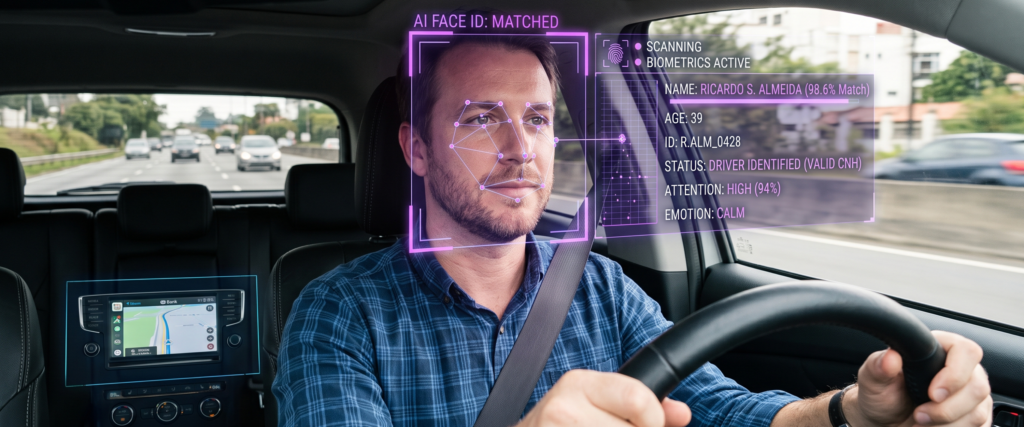
Some managers still view DMS and video telemetry as if they were just extra cameras in the vehicle. They are not.
When operations depend on drivers in the field , constant driving , deadline pressure, and cost control , the problem isn't just knowing where the vehicle is. The problem lies in understanding what happens inside the cab and on the road before risky behavior turns into an accident, a fine, mechanical wear and tear, or a liability.
This is where DMS and video telemetry change the level of management.
Instead of relying solely on reports, impressions, or belated analysis, the operation now relies on context , evidence , and proactive analysis . Out goes the management that discovers the problem afterward. In comes the management that gains a better chance to act sooner.
Executive summary
Video telemetry is the combination of images, videos, and operational data. to broaden the understanding of the fleet. Instead of looking only at location or isolated events, management begins to see context, behavior, and evidence.
DMS is the driver monitoring system.It works by reading signs related to fatigue, distraction, improper use of cell phones and smoking while driving, helping to identify risks that often go unnoticed until the moment of the incident.
Browse the content
What is DMS in fleet management?
What is video telemetry and why does it go beyond tracking?
How DMS and video telemetry work together
What can technology identify in practice?
Facial recognition for drivers: where does it fit in?
The role of real-time alerting in the cabin.
What does fleet management gain from DMS and video telemetry?
DMS and video telemetry are tools to better see what was previously hidden in the routine of operations.

What is DMS in fleet management?
DMS stands for Driver Monitoring System.
In day-to-day operation, it exists to analyze signs that indicate risk while driving . This includes situations such as fatigue , distraction , loss of focus , and cell phone use while driving. Instead of relying solely on human perception, the system uses cameras and applied intelligence to support the reading of driver behavior.
This is an important point: DMS doesn't just monitor for the sake of monitoring . It comes in to make visible a type of risk that usually appears too late in the routine of operations.
What is video telemetry and why does it go beyond tracking?
Video telemetry expands upon the logic of traditional telemetry.
While telemetry shows location and movement, video telemetry adds images , videos , and event readings to show the context of what happened. This provides more depth to the analysis and greater confidence in decision-making.
At Golfleet, this structure appears in combination with:
- Image and video management
- AI and DMS facial recognition
- Videos by request and for events.
- Verbal Coaching with voice feedback
This means that the manager is not stuck with isolated numbers or hasty interpretations . He gains more elements to understand behavior, guide drivers, and act with discernment.
How DMS and video telemetry work together
Separately, each resource already has value. Together , they change the quality of management.
DMS helps to identify risk signals related to the driver's condition . Video telemetry provides a broader context of the operation , with visual support, history, and organization of incidents.
This combination strengthens questions that matter in everyday life:
- The driver lost focus or was fatigued.
- Cell phones were used. ou cigarette at the wheel
- The behavior repeated itself over time.
- Was the event a one-off or is it part of a pattern?
- Management needs to provide guidance., train ou revise some routine of the operation
That's why this technology shouldn't be treated as an isolated camera. It functions as a layer of operational intelligence.
What can technology identify in practice?
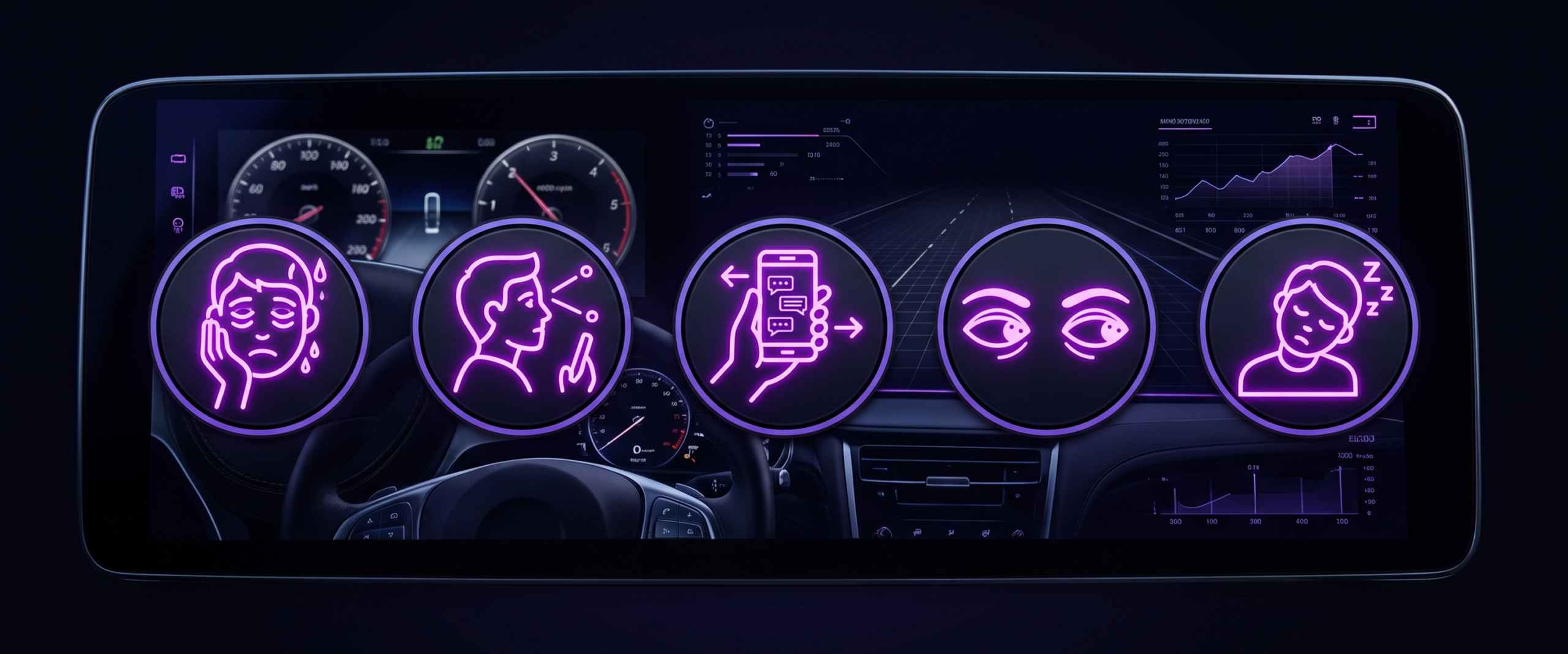
The value lies in the ability to identify signs that anticipate risk . Among the most relevant behaviors for fleet management are:
Fatigue and drowsiness
Frequent yawning , prolonged eye closure , and signs of fatigue are among the most noticeable indicators during surgery. When these go unnoticed, they greatly increase the risk.
Smoking while driving
Lighting a cigarette and smoking during a commute is now on the radar of technology because the distraction, even if brief, is enough to compromise reaction time in risky situations.
Driver distraction
Loss of focus on the road , distraction , and behavior incompatible with safe driving are now on the radar of technology.
Using a cell phone while driving
This is one of the most critical points for any fleet management system. Besides being an infraction, it represents a direct source of operational risk.
Driving behavior
Video telemetry also helps to better qualify the context of events , which improves the understanding of driving style, reaction to risky situations, and the need for intervention.
Facial recognition for drivers: where does it fit in?
Another important feature in this ecosystem is facial recognition for drivers.
In Golfleet vehicles, driver identification is done through automatic facial recognition . When the ignition is turned on , the system captures the driver's image and transfers this information to usage and infraction reports.
This point strengthens management because it helps to more accurately identify who was driving at a given event. This improves:
- A traceability and of the operation
- A auditing of infractions
- A accountability correct
- A Quality from management reports
It's not just about identification. It's about having a reliable context to make better decisions.
The role of real-time alerting in the cabin.
Identifying risk is important. Correcting it quickly is what changes the outcome.
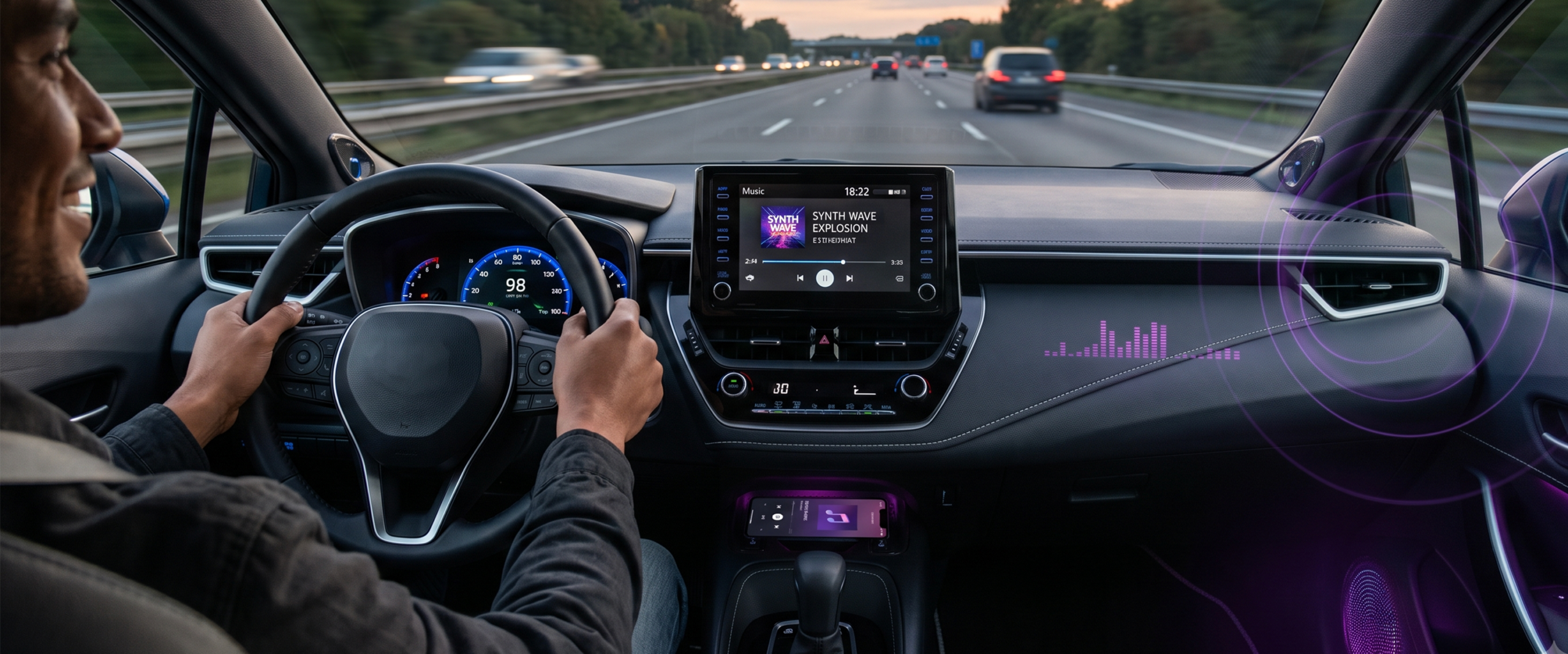
In the Golfleet ecosystem , Verbal Coaching appears as a complementary resource to reinforce safety with humanized voice alerts. This type of support reduces the distance between the event and the correction, helping the driver adjust their driving while there is still time to prevent the problem from escalating.
When DMS, video telemetry, and instant feedback work together, technology ceases to be reactive. It begins to support a more preventative approach.
Is this surveillance? No. It's support for leadership and management.
This is one of the most important aspects of this technology.
Resistance to video telemetry often arises when the technology is presented as a tool for blind control . A more mature interpretation is different: the technology exists to provide context, protect the operation, and assist the driver.
The goal is not to transform the driver's cabin into a place of punishment . It's about using operational intelligence to preserve lives , reduce risk, and strengthen safe driving practices.
When the company communicates this clearly, it also changes the team's buy-in.
What does fleet management gain from DMS and video telemetry?
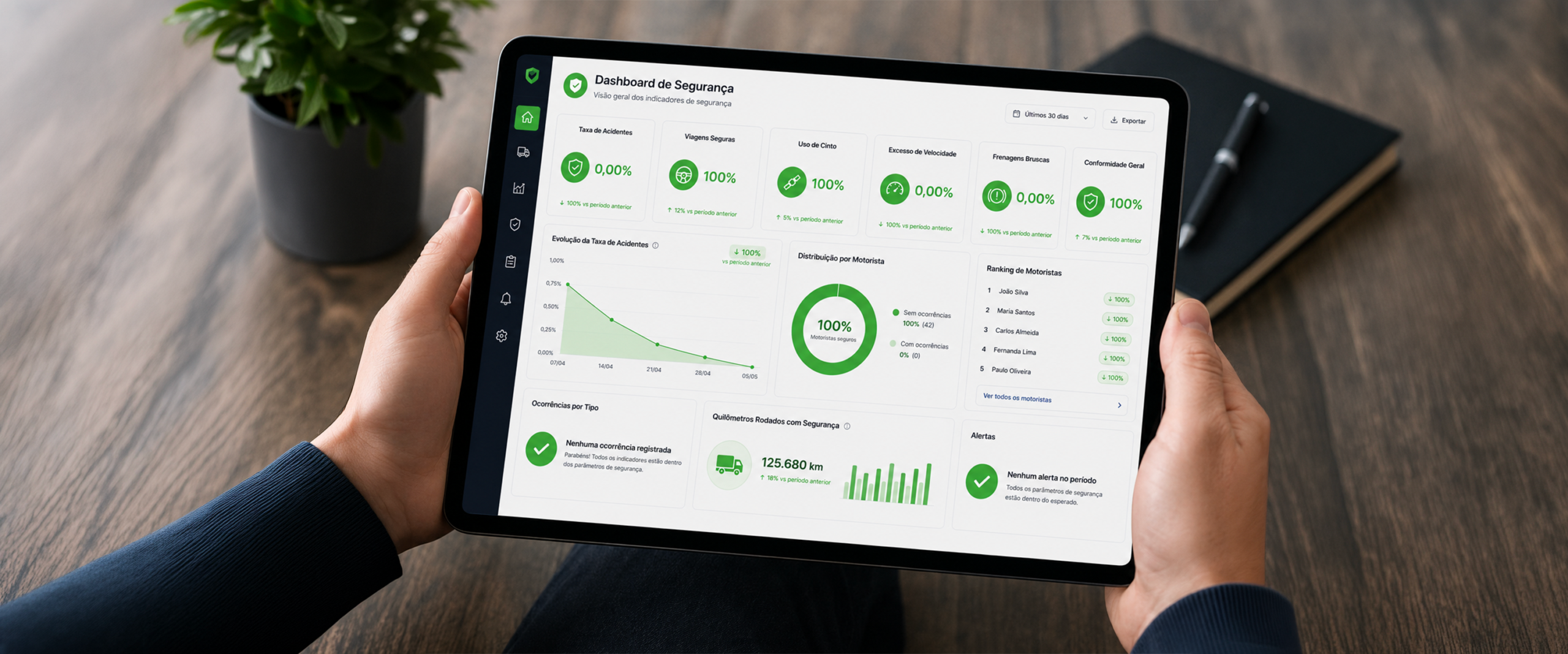
From the manager's perspective, the benefit goes far beyond the video or the alert.
The most relevant benefits lie in the ability to:
- Identify risk with more advance notice
- To guide drivers. with more discernment
- Reducing guesswork in analysis Guide
- Strengthen auditing and traceability
- Building an operation more defensible
- Improve the culture of security
Furthermore, when operational data is more accurately analyzed, the company is better able to reduce indirect impacts in areas such as accidents, vehicle wear and tear, fines, and lost productivity.
How to assess whether DMS technology makes sense for your operation.
DMS and video telemetry make more sense when the fleet faces situations such as:
- Frequent exposure of drivers field
- Difficulty in taking action about risky behavior
- Visit the page about fatigue and distraction
- Need for improvement auditing Guide
- Pressure to reduce claims and strengthen operational governance
If the operation is already burdened by human risk, out-of-context reports, and decisions made too late, this type of technology ceases to be an accessory. It becomes management infrastructure.
DMS and video telemetry are tools to better see what was previously hidden in the routine of operations.
When management is able to identify fatigue , distraction , cell phone use , cigarette use , and other risk signs with more context, it moves away from reactive mode and begins to act more intelligently.
In the case of Golfleet, this logic gains strength by combining video telemetry , AI and DMS facial recognition , on-demand and event-based videos, and driver assistance features within the same ecosystem.
Ultimately, the value lies here: less noise in the operation, more clarity to act, and more safety for those behind the wheel.
Frequently asked questions about DMS and video telemetry
What is DMS in fleet management?
DMS is the driver monitoring system. It helps identify signs of fatigue, distraction, and other risky behaviors within the cabin.
What is the difference between DMS and video telemetry?
The DMS (Driver Management System) is integrated into the video telemetry system. It's the layer responsible for analyzing driver behavior and status, while the video telemetry system combines this information with images, videos, and operational data to provide more context for management. Together, they make the analysis more comprehensive and the decision-making process safer.
Does DMS detect smoking while driving?
Yes. Smoking while driving often involves distracted attention and hand movements, which constitutes risky behavior. Therefore, this type of signal is also included in the readings made by the technology.
Does DMS detect cell phone use while driving?
Yes. In the analyzed content on the subject, the use of cell phones while driving appears as one of the risky behaviors that can be identified by this type of technology.
How does facial recognition for drivers help the fleet?
It improves the automatic identification of who is driving, strengthens traceability, and provides greater accuracy for audits, reports, and event analysis.
Are DMS and video telemetry only for large operations?
No. They make sense whenever the company needs to gain visibility into driver behavior, reduce risk, and improve the quality of decision-making in fleet management.