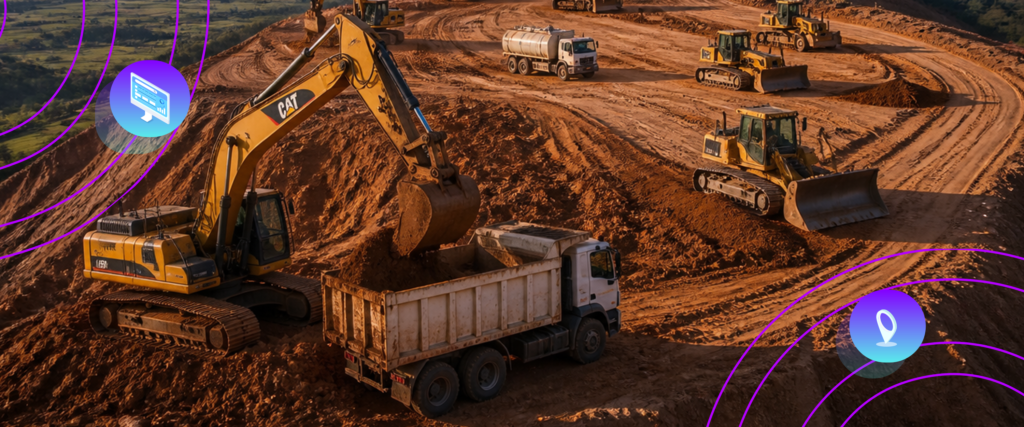
Telemetry for heavy and industrial machinery has gained traction in various operations that rely on heavy machinery and industrial equipment.
Companies in the construction, manufacturing, mining, and infrastructure sectors need greater visibility into usage, hour meters, tracking, maintenance, and critical events. In this context, fleet control and heavy equipment management are no longer activities based solely on manual data entry and now require more reliable data.
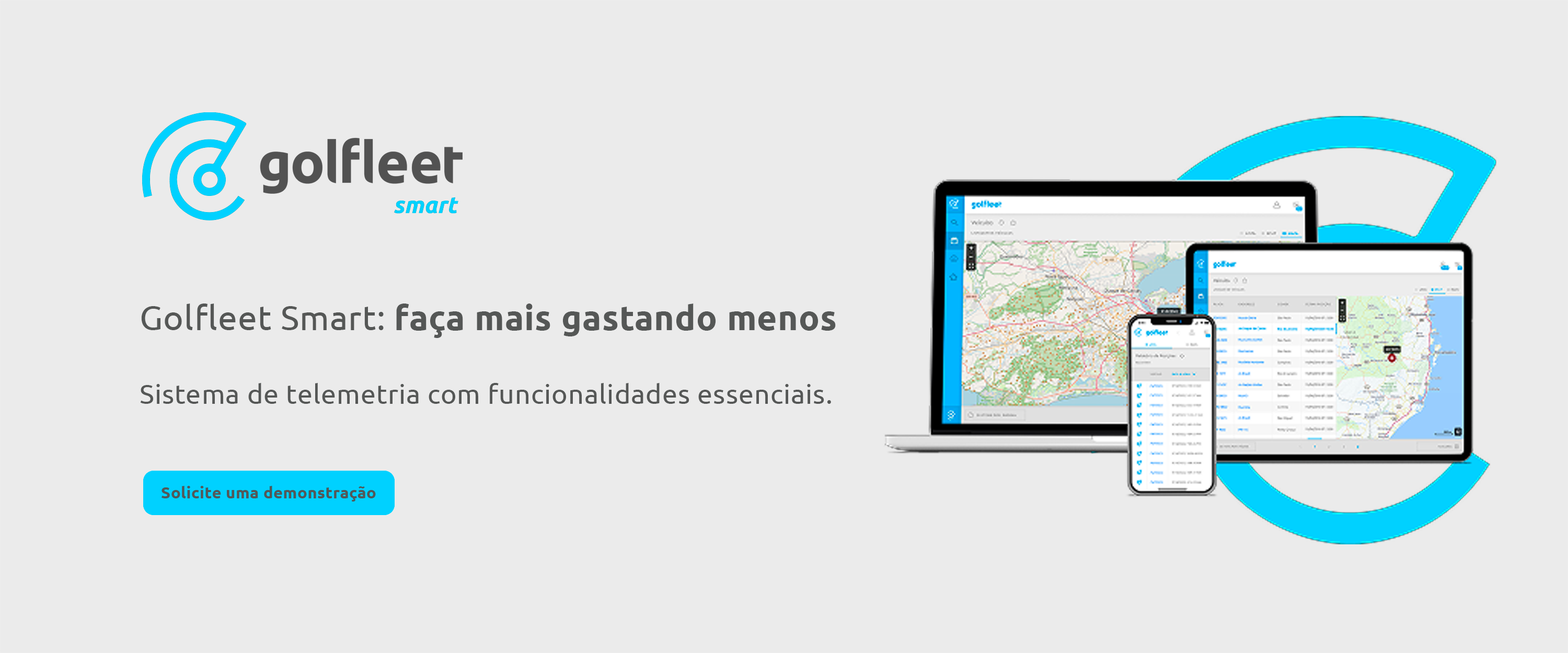
This is precisely where Golfleet begins to expand its operations. The technology, already known in light vehicle fleet management, is now also advancing into other operational areas, supporting the monitoring of heavy industrial machinery with features such as hour meters, tracking, video telemetry, and accident analysis.
You will take this with you:
Telemetry for heavy industrial machinery is data intelligence applied to heavy machinery. (such as tractors and excavators) focused on the hour meter indicator.
Controlling heavy machinery requires a different level of management. because these machines are highly valuable and wear and tear is measured by hours of work in remote and harsh locations.
Telemetry for heavy industrial machinery This makes sense in civil construction, infrastructure, mining, and heavy logistics industrial plants.
Browse the content
What is telemetry for heavy industrial machinery?
Why controlling heavy machinery requires a different level of management.
How heavy machinery is typically organized by production lines and applications.
How does Golfleet fit into this scenario outside of light fleets?
Telemetry for heavy and industrial machinery in practice.
Where telemetry for heavy and industrial machinery makes sense.
What remains the same when Golfleet exits the light vehicle fleet market?
Golfleet efficiency as a guiding principle, regardless of asset size.

What is telemetry for heavy industrial machinery?
Telemetry for heavy industrial machinery is the application of monitoring and operational reading technology to heavy machinery used in activities such as construction, mining, industry, and infrastructure.
In practice, it helps to track data such as:
- Location;
- Hour meter;
- Tracking;
- Use;
- Operational events;
- Alerts;
- Maintenance support;
- Video telemetry;
- Accident analysis ou impacts.
Telemetry for heavy industrial machinery goes beyond simply locating equipment; it allows you to understand how it is being used and where the operation loses productivity, availability, or control.
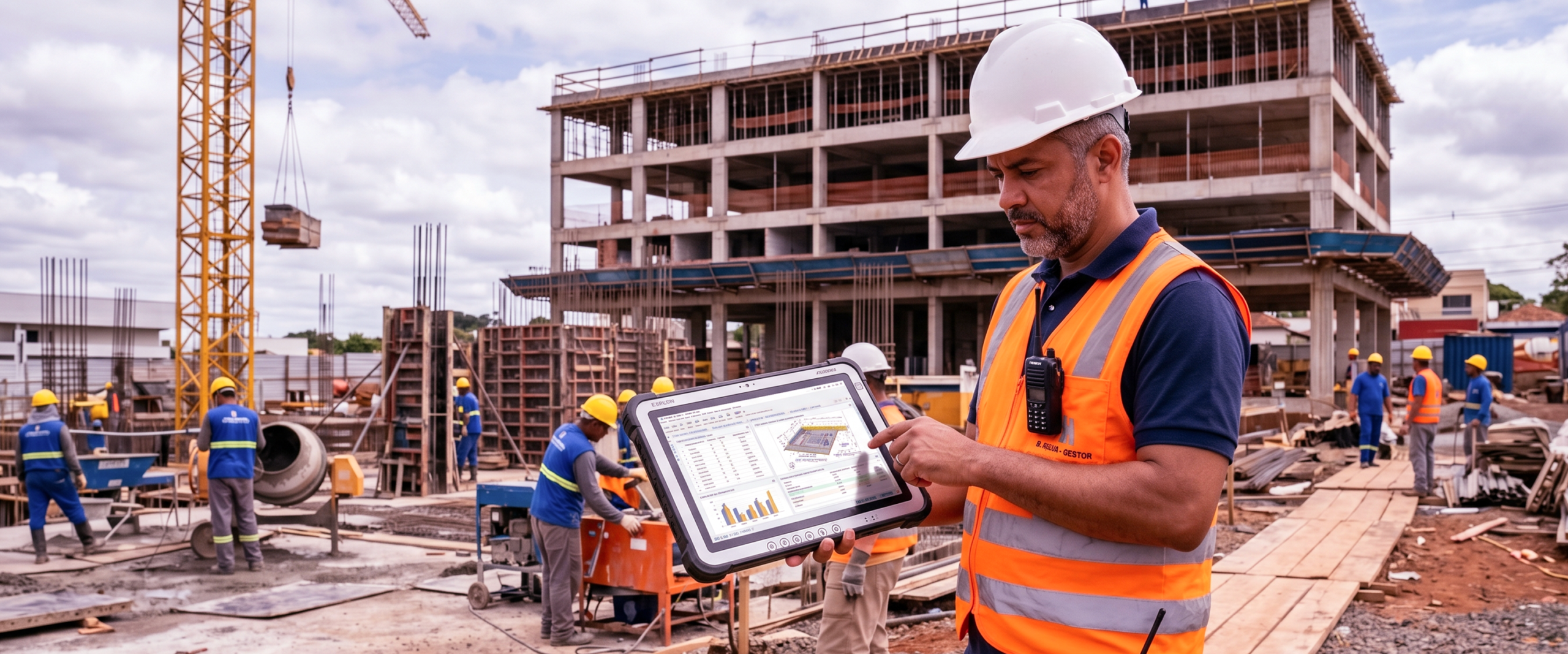
Why controlling heavy machinery requires a different level of management.
Controlling heavy industrial machinery has unique characteristics that are not as prevalent in light vehicle fleets.
1. The asset has high value.
Heavy machinery represents a significant investment and has a direct impact on operational results.
2. Actual use matters more than displacement.
In many scenarios, the most relevant data isn't mileage. It's hour meter readings . Knowing how many hours the machine worked , was idle , or operated outside of its planned parameters is essential for management.
3. Maintenance depends on accurate readings.
Without reliable data, preventive maintenance is delayed and corrective maintenance takes precedence.
4. The operation is usually distributed
Construction sites, farms, mines, and industrial areas spread assets out and make monitoring difficult without technology.
5. The operational risk is higher.
Unexpected stops , improper displacements , use outside the intended area, and accidents have a more significant impact on heavy equipment.
Therefore, managing heavy equipment cannot be limited to knowing where the machine is. It needs to answer :
- How long did she actually work?;
- When should it go for review?;
- If it is underutilized;
- If there was a critical event;
- How to improve asset utilization.
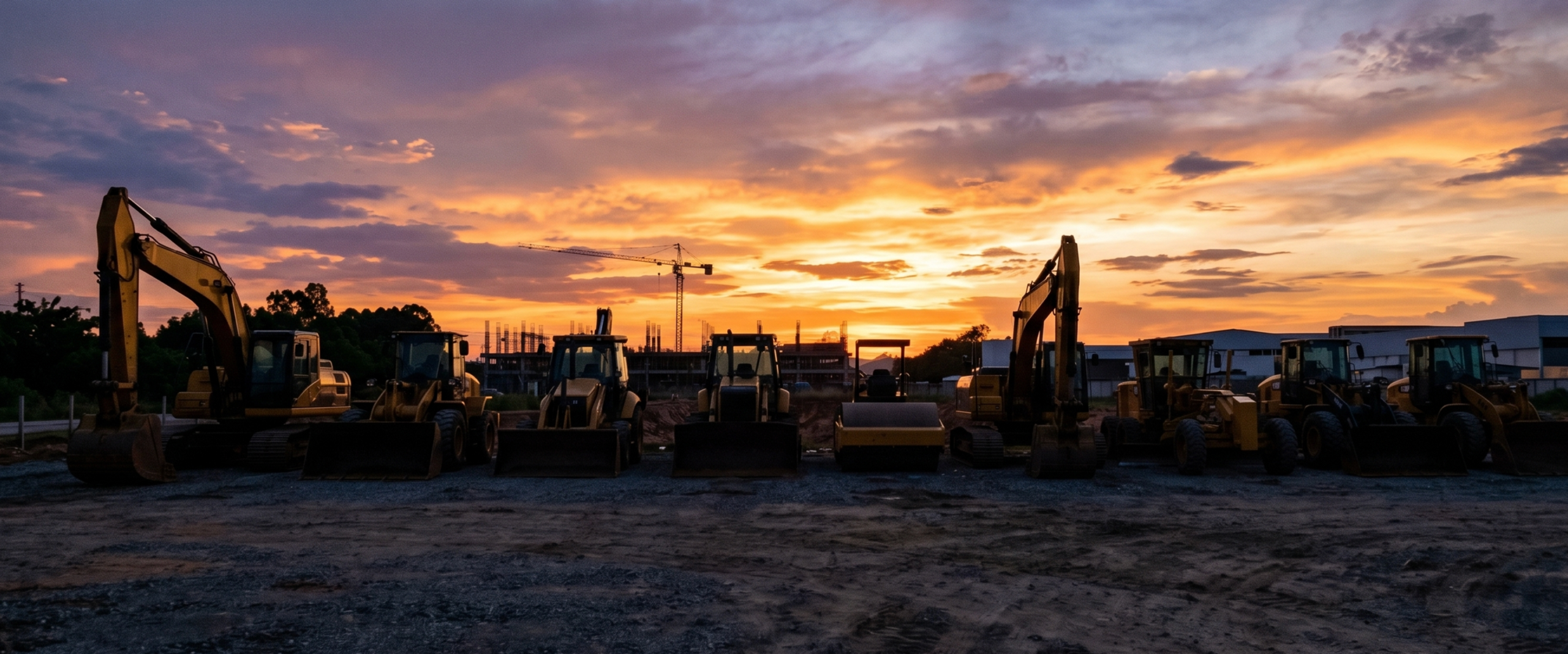
How heavy machinery is typically organized by production lines and applications.
In the heavy machinery market, it is common for equipment to be organized by lines or application groups.
This classification helps manufacturers, rental companies, distributors, and managers differentiate assets according to their type of use, operational context, and technical specialization.
In general, some of the best-known classifications use colors to separate large groups of equipment.
The yellow line typically includes machinery used for earthmoving , construction , mining , and material handling.
The term "white goods" is most often associated with equipment related to the production and processing of construction materials , such as factories and power plants.
The green line, on the other hand , is more related to the agricultural and forestry context , with tractors, harvesters, planters, and other assets used in field operations.
This division doesn't need to be treated as a rigid rule, but it helps to understand why different types of machines require different management routines. In all cases, the common thread is the need for greater clarity regarding usage , availability , maintenance , and productivity.
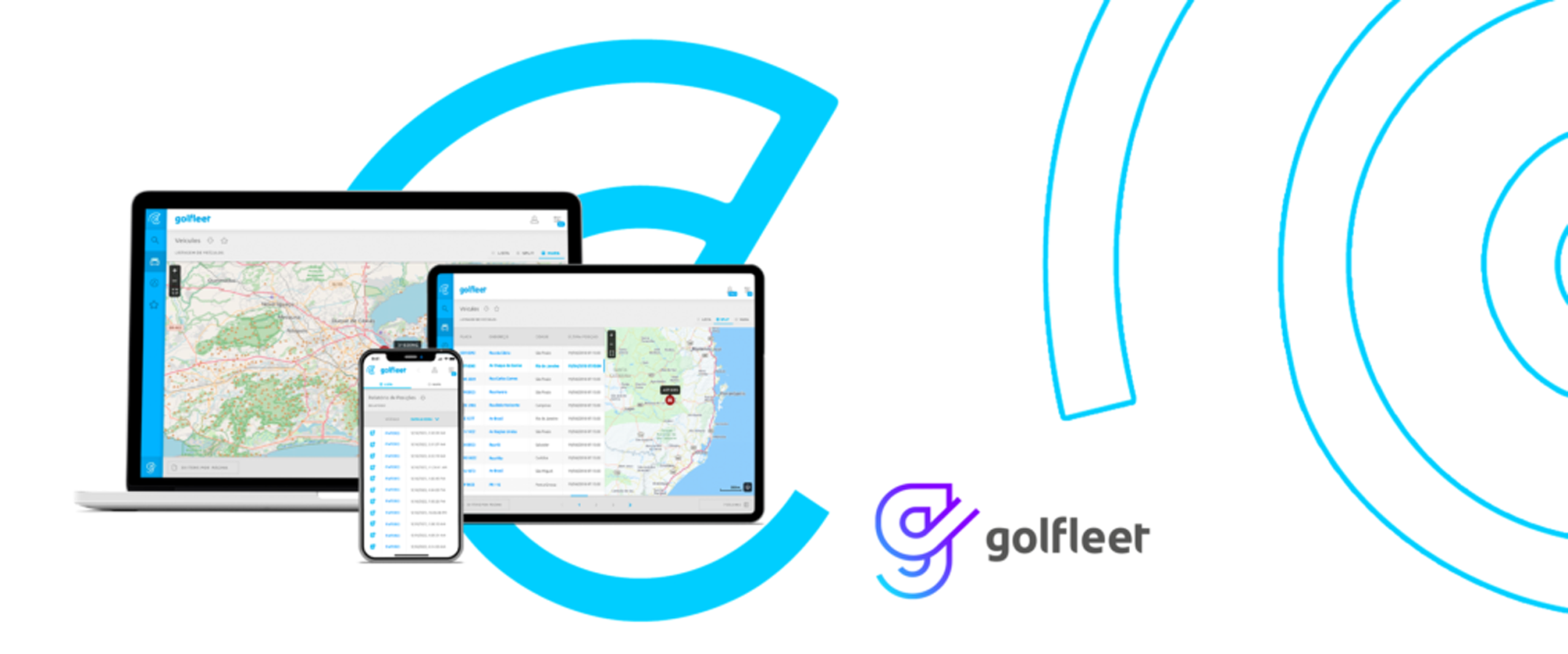
How does Golfleet fit into this scenario outside of light fleets?
Golfleet has built its presence in light fleet management with a focus on data, efficiency, and safety. Now, this ecosystem also makes sense for machinery and equipment outside the traditional logic of light fleets.
This is already evident in solutions within the portfolio.
Golfleet Smart is also suitable for machinery, in addition to light vehicles, electric vehicles, and rental companies. Golfleet ID indicates compatibility with cars, motorcycles, and machinery.
And Golfleet Telemetry already highlights features such as hour meter , scheduled lockout , control areas , customized alerts and detailed tracking , functionalities that make sense in the context of heavy machinery control and industrial equipment management.
In other words, the technology remains essentially the same, but it now responds to a new type of operational need.
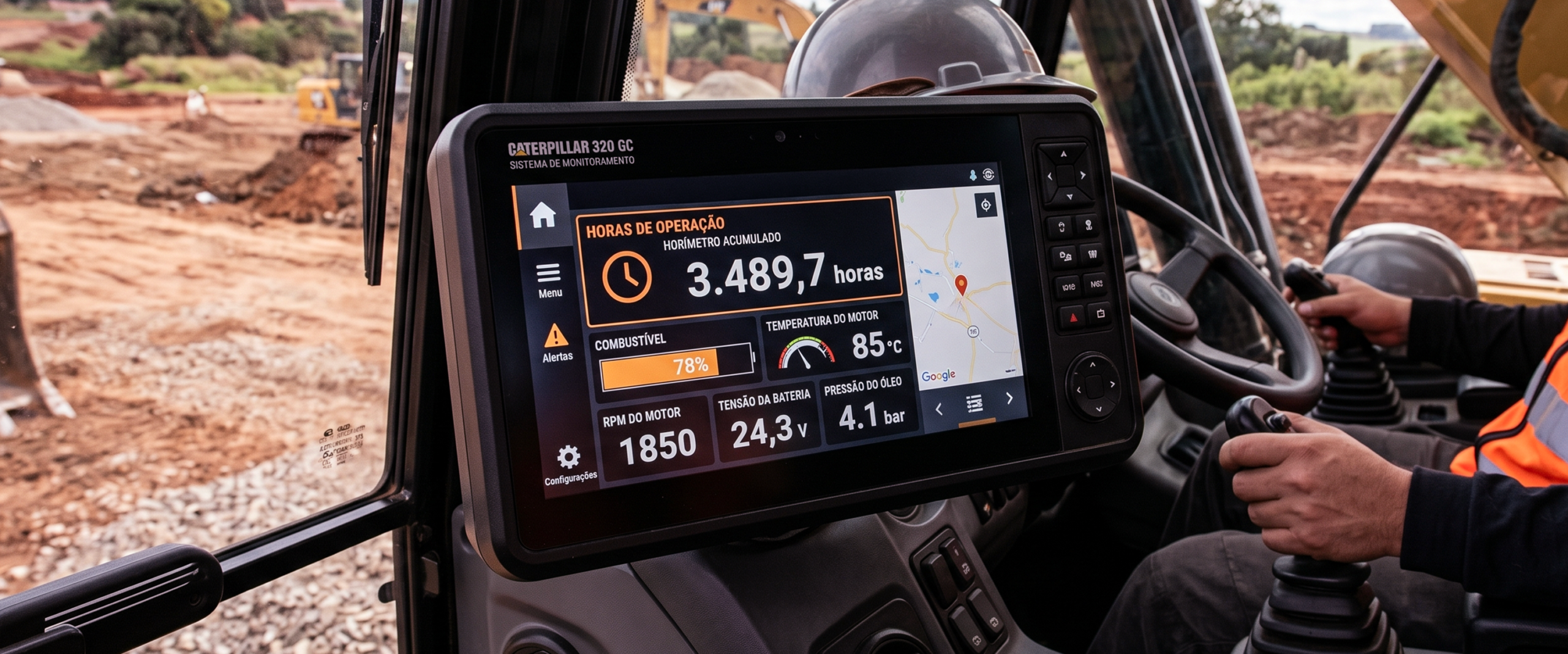
Telemetry for heavy and industrial machinery in practice.
Telemetry for heavy and industrial machinery gains value when it moves beyond the concept stage and becomes part of daily operation.
Hour meter
The hour meter is one of the most important pieces of data in the management of heavy equipment.
It helps to understand:
- Real-time usage;
- Idleness;
- Maintenance time;
- Comparison between assets;
- Productivity by work front.
Positioning and location
In heavy fleet management, positioning helps to:
- Validate continued work on site. or operational area;
- Track movements;
- Reduce asset losses;
- Supporting property security;
- To better organize the distributed operation..
Scheduled roadblock
In operations involving heavy and industrial machinery, scheduled lockout can function as a support feature for operational control in specific contexts , such as downtime, off-shift periods, scheduled maintenance, or remaining in designated areas.
The central point is not to restrict for the sake of restricting , but to integrate this resource into a routine with greater clarity regarding availability , asset security , and adherence to operational planning.
Video telemetry
Video telemetry can support event reading , incident investigation , and accident analysis in more demanding operations. Golfleet already positions this solution as a combination of telemetry, images, AI, and event analysis.
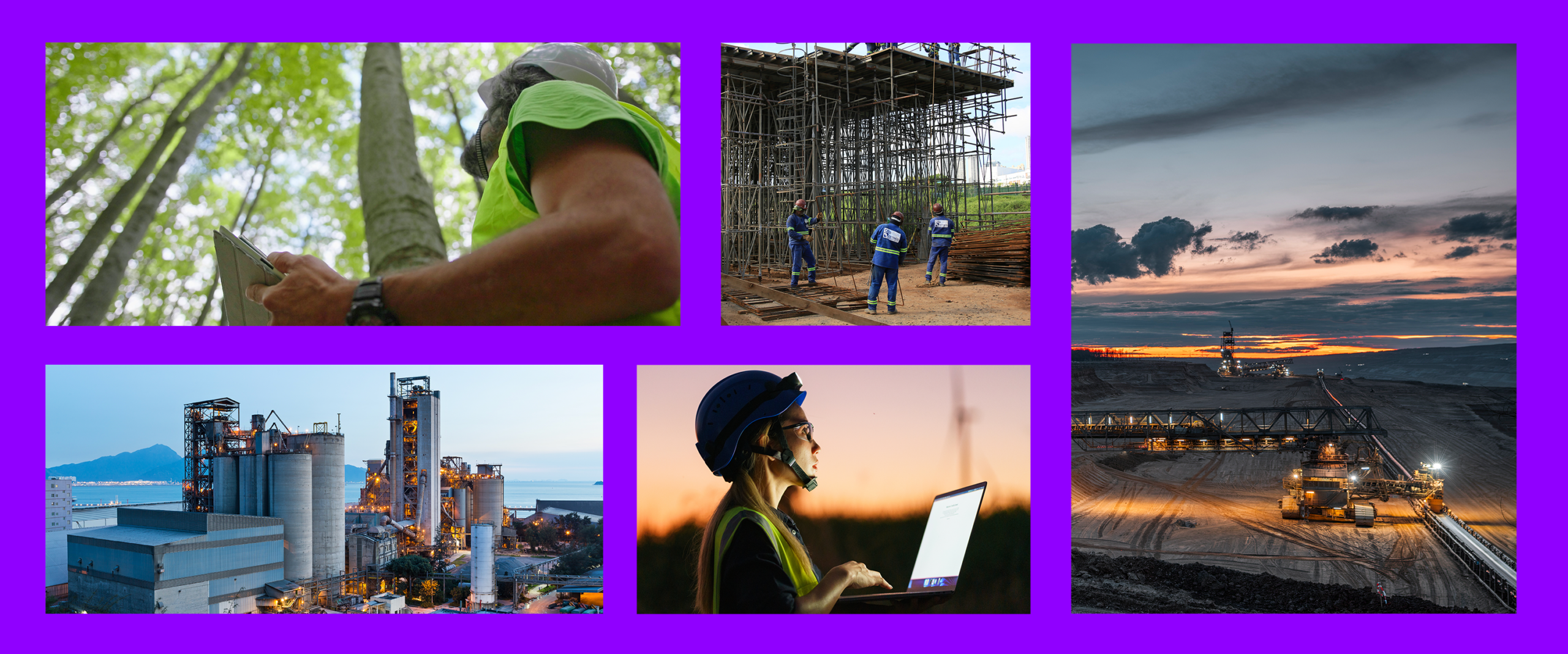
Where telemetry for heavy and industrial machinery makes sense.
Although agriculture helps to spark this conversation, telemetry for heavy and industrial machinery is not related to the field.
Construction
In construction, managing heavy equipment helps improve availability , uptime , hours worked , and preventive maintenance.
Industry
In industry, heavy fleet management can support operations with mobile equipment , moving assets , and internal machinery that require usage and availability monitoring.
Mining
Mining demands constant monitoring of activity , rigorous operation , and greater predictability regarding critical assets.
Forestry infrastructure and services
These are scenarios where location, operating hours, critical events, and maintenance make a direct difference to the continuity of operations.
The current state of the agricultural sector helps explain this progress.
It's worth talking about agriculture because the sector clearly demonstrates why machinery technology is advancing.
Today, connectivity in the field is growing as a foundation for productivity, monitoring, and decision-making. There is advancement in 4G, satellite solutions, and new digital ecosystems for machines.
The central point is to show that the same demand for operational analysis is already appearing in different sectors that work with robust assets.
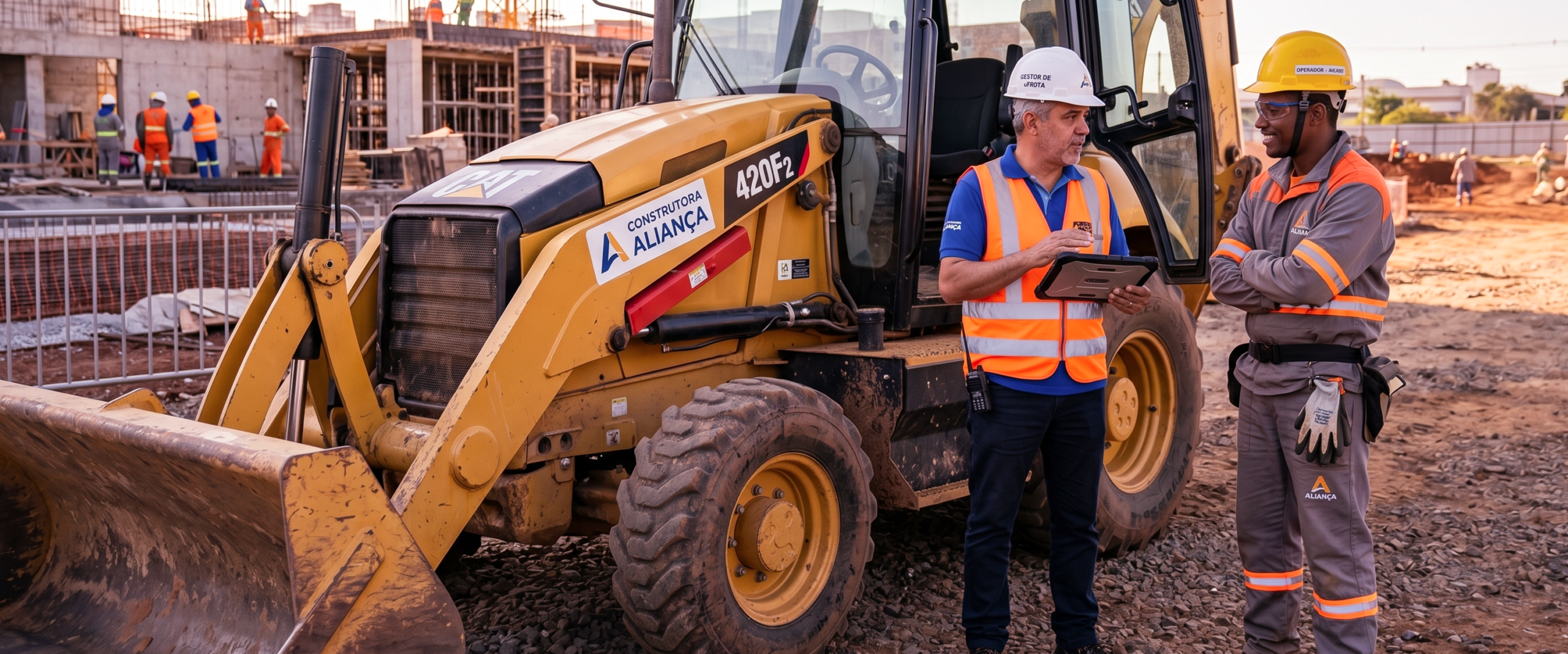
What remains the same when Golfleet exits the light vehicle fleet market?
Even outside of light vehicle fleets, some principles still apply.
Reliable data remains the foundation.
The operation improves when the decision stops depending on perception and starts depending on evidence.
Technology should support, not punish.
In Golfleet's communication, the focus remains on efficiency , safety , asset care , and preserving lives.
The manager needs operational clarity.
Whether in light vehicles or heavy and industrial machinery, the goal is the same: less spreadsheets, less noise, and more useful information to take action.
Telemetry for heavy and industrial machinery is gaining ground because the market no longer accepts managing heavy machinery and industrial equipment with low operational visibility.
As a company evolves in heavy fleet control and heavy equipment management, it begins to operate with a stronger foundation for:
- Monitor hour meter;
- Track assets;
- Support maintenance;
- Understanding usage;
- Analyze accidents and events.;
- Increase predictability.
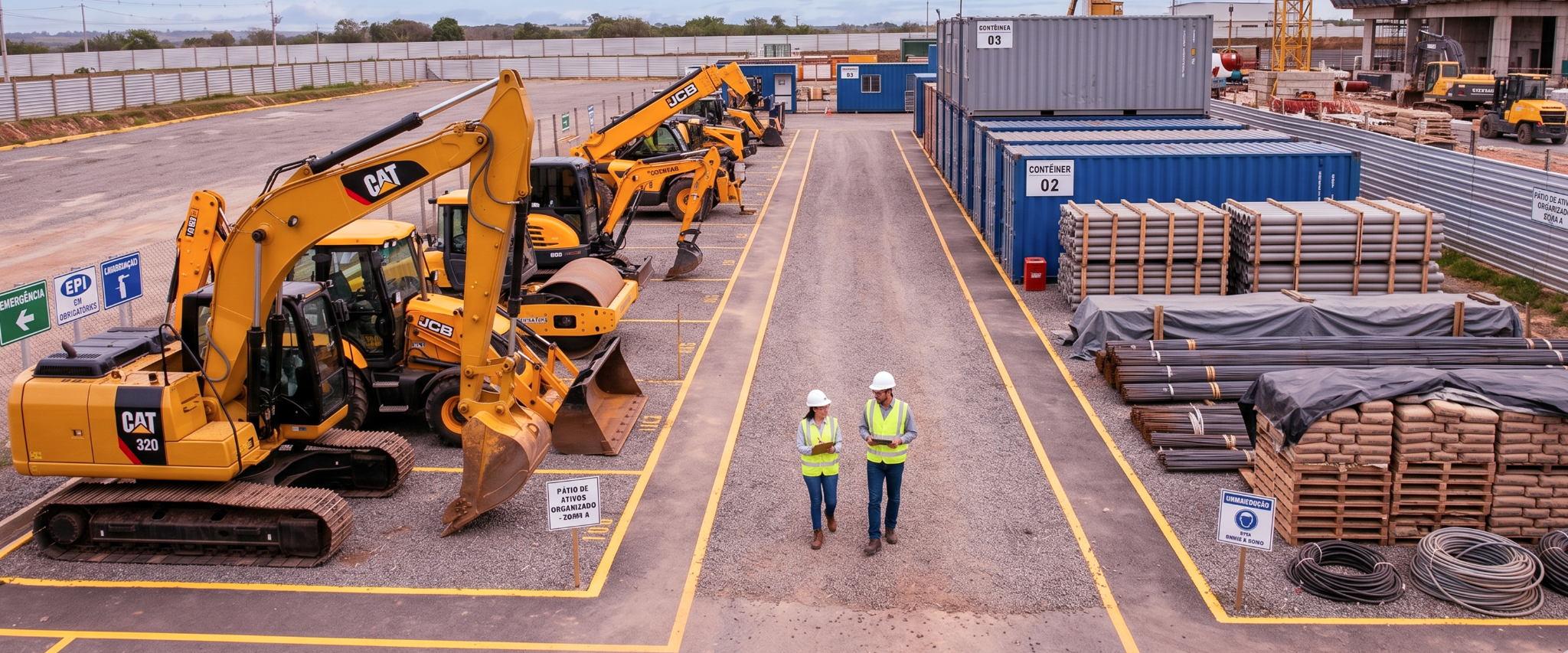
Golfleet efficiency as a guiding principle, regardless of asset size.
Most importantly, this trend isn't limited to a single sector. It applies to construction , industry , mining , infrastructure , and other areas where idle, poorly utilized, or poorly readable machinery represents cost, reduced productivity, and loss of operational control.
Golfleet is starting to fill this space with technology that already interacts with machines , hour meters , positioning , and video telemetry.
Furthermore, their devices are tested and approved to function even in the most demanding operations , offering the robustness that this type of environment requires.
Another important point is compatibility with different operators , which helps ensure connectivity and continuous monitoring of operations, even in contexts where communication stability makes a direct difference in data interpretation and decision-making.
Therefore, the question is no longer whether telemetry can be phased out beyond light vehicle fleets.
The question then becomes: how much is your operation still losing by not applying technology to heavy and industrial machinery as well?
Contact Golfleet and take care of your operation!
Before you leave, here are the answers to the main questions about telemetry for heavy and industrial machinery.
What is telemetry for heavy and industrial machinery?
Telemetry for heavy and industrial machinery is the use of technology to collect and organize data from heavy machinery used in sectors such as civil construction, mining, industry, and infrastructure.
Which machines are part of the yellow line?
The yellow line includes heavy equipment such as excavators, wheel loaders, backhoe loaders, motor graders, road rollers, crawler tractors, skid steer loaders, cranes, dumpers, scrapers, drilling rigs, and telescopic handlers.
Why is the hour meter so important in the management of heavy and industrial machinery?
Because, in heavy machinery, actual usage is usually measured by hours of operation, not by kilometers driven.
How does telemetry help in the control of heavy and industrial machinery?
Telemetry helps control heavy and industrial machinery by providing greater clarity on location, idle time, engine hours, maintenance, out-of-schedule usage, and equipment productivity.